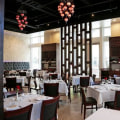
American restaurants in Fort Worth operate in a competitive dining scene where customer loyalty is built on trust. Guests return not just for flavor, but for the assurance that each visit will meet their expectations. Consistency is the foundation of that trust. From casual diners to upscale establishments, Fort Worth restaurants focus on delivering the same quality of food, service, and atmosphere day after day. Achieving this level of reliability requires disciplined systems, trained staff, and a commitment to operational excellence behind the scenes.
Standardized Recipes and Kitchen Procedures
One of the primary ways restaurants maintain consistency is through standardized recipes and preparation methods. Chefs and kitchen managers carefully document ingredients, measurements, cooking times, and plating guidelines to ensure every dish tastes the same regardless of who is working the line. These standards help maintain flavor profiles and portion control, which directly impacts both customer satisfaction and cost management. In busy kitchens, clear procedures reduce errors and keep service moving smoothly during peak hours.
Staff Training and Team Culture
Well-trained staff are essential to maintaining quality across all areas of a restaurant. Fort Worth restaurants invest heavily in onboarding and ongoing training to ensure employees understand expectations for food safety, preparation, and customer service. Servers learn how to describe menu items accurately, handle guest concerns professionally, and deliver a consistent dining experience. In the kitchen, teamwork and communication are emphasized to prevent breakdowns during high-volume service. A strong team culture reinforces accountability and pride in the product.
Quality Control and Ingredient Sourcing
Consistency also depends on reliable ingredient sourcing. Many American restaurants in Fort Worth work closely with trusted suppliers to ensure steady access to high-quality meats, produce, and pantry items. When ingredients remain consistent, chefs can maintain the same flavors and textures customers expect. Regular quality checks—such as tasting dishes before service or inspecting deliveries—help catch issues early and prevent subpar meals from reaching the table.
Equipment Reliability and Kitchen Performance
Restaurant equipment plays a critical role in maintaining food quality. Ovens, grills, fryers, and refrigeration units must operate correctly to produce consistent results. Temperature fluctuations or mechanical failures can compromise food safety and flavor. That’s why many restaurants prioritize preventive maintenance and have trusted service providers on call. Access to dependable support like appliance repair in Frisco, TX ensures that equipment issues are resolved quickly, minimizing downtime and protecting both quality and service flow.
Monitoring Service and Guest Feedback
Consistency extends beyond the kitchen to the dining room experience. Managers regularly monitor service speed, table presentation, and cleanliness to ensure standards are upheld. Guest feedback—both in person and online—is closely reviewed to identify patterns or areas for improvement. Restaurants that respond proactively to feedback demonstrate commitment to quality and often strengthen customer loyalty in the process. Small adjustments based on real experiences help maintain consistency across locations or shifts.
Adapting Without Losing Identity
While consistency is crucial, Fort Worth restaurants also understand the importance of thoughtful adaptation. Seasonal menus, limited-time specials, or updated presentation styles keep offerings fresh without compromising core identity. Successful restaurants introduce changes carefully, testing new items and training staff thoroughly before full rollout. This balance allows restaurants to evolve while preserving the familiar experience that regular customers value.
Leadership and Daily Oversight
Strong leadership ties all these elements together. Owners, general managers, and kitchen leaders set expectations, enforce standards, and model best practices. Daily checklists, pre-shift meetings, and performance reviews help maintain focus on quality at every level. When leadership is present and engaged, consistency becomes part of the restaurant’s culture rather than a checklist item.
Delivering Quality That Keeps Guests Coming Back
How American restaurants in Fort Worth maintain consistency and quality ultimately comes down to systems and people working in harmony. Through standardized procedures, trained teams, reliable equipment, and attentive leadership, restaurants deliver dependable experiences that build trust. In a city with countless dining options, this commitment to consistency is what turns first-time diners into loyal regulars and sustains long-term success.